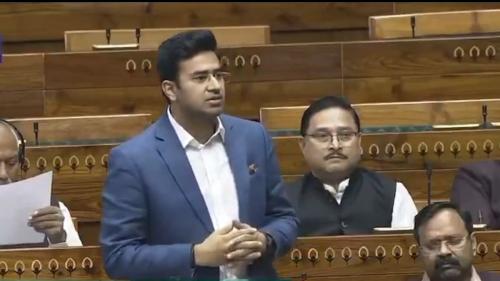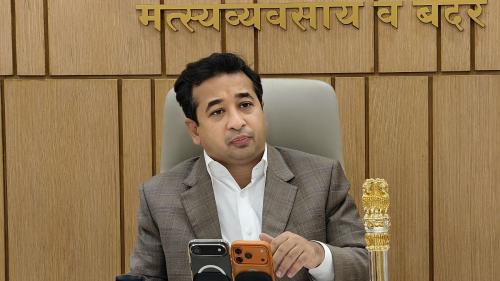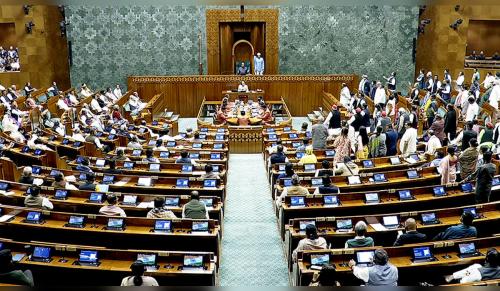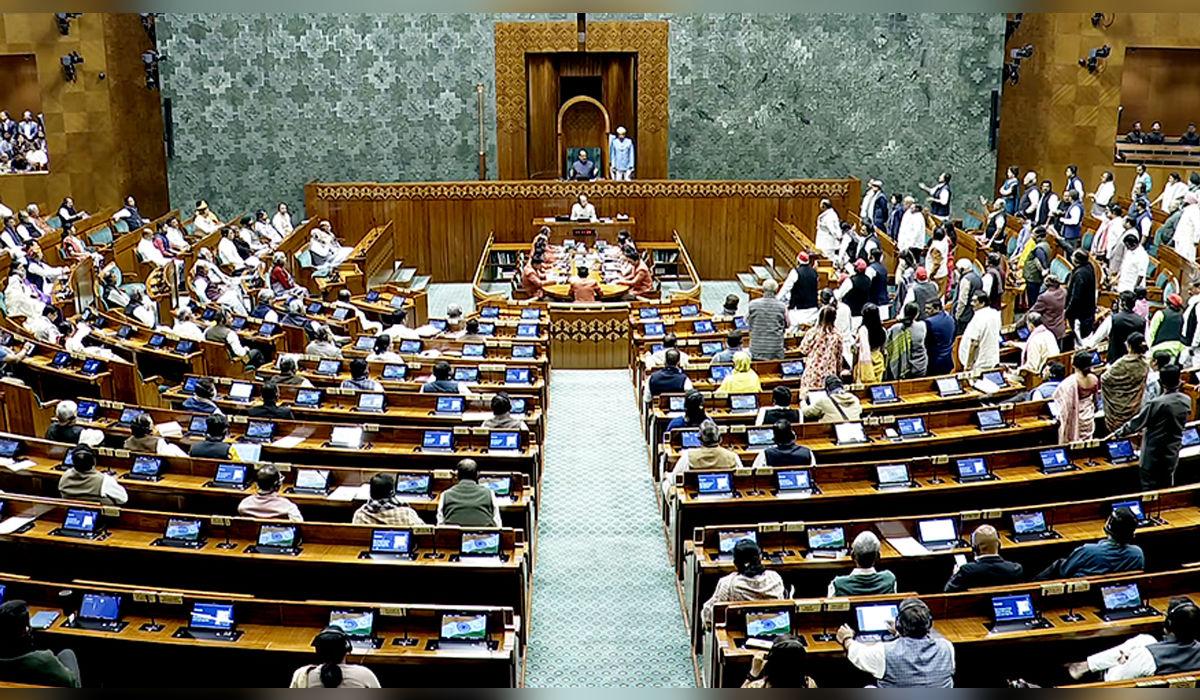
The Lok Sabha on Thursday approved the introduction of the Constitution (131st Amendment) Bill, a key proposal intended to operationalise the women’s reservation law, after a fierce confrontation between the government and Opposition parties. The bill was introduced following a division vote in which 251 members backed the proposal while 185 voted against it, highlighting the deep political divide over the measure.
Alongside the constitutional amendment, the Centre also tabled the Delimitation Bill and the Union Territories Laws (Amendment) Bill, which are aimed at implementing the revised reservation framework in Delhi, Puducherry and Jammu and Kashmir. Together, the three bills lay the foundation for enforcing the women’s quota in Parliament and legislative assemblies before the 2029 general elections.
The move triggered strong protests from Opposition leaders, who accused the government of using the women’s reservation law as a vehicle to push through a politically sensitive delimitation exercise. Congress MP K. C. Venugopal criticised the government for not incorporating these changes when the women’s reservation legislation was passed in 2023 and termed the current move unconstitutional.
Samajwadi Party chief Akhilesh Yadav also questioned the urgency behind the legislation, saying his party supports reservation for women but believes that a fresh census should precede any delimitation exercise. Opposition parties argued that linking reservation implementation with seat redistribution could alter political representation across states and was being rushed without adequate consultation.
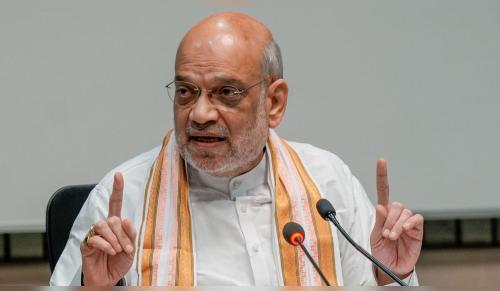
Defending the government’s decision, Union Home Minister Amit Shah said the constitutional process was being followed and reminded the House that the Census 2027 process is already underway. He also said the government has decided to carry out caste enumeration but maintained that religion-based reservation is unconstitutional.
The debate also saw symbolic protests from members of the Dravida Munnetra Kazhagam, who wore black in the Lok Sabha to protest the proposed changes. DMK leader T R Baalu said his party backed the original women’s reservation law but opposed the amendment because it appeared to be centred more on delimitation than on expanding women’s representation.
As per the provisions of the amendment bill, the strength of the Lok Sabha could rise from the present 543 seats to a maximum of 850 to enable 33 percent reservation for women. The proposal also includes increasing the number of seats in state assemblies and Union territory legislatures. Seats reserved for women would be allotted on a rotational basis across constituencies.
The proposed expansion of Lok Sabha seats and the link to delimitation has emerged as the most contentious aspect of the legislation, with several Opposition parties joining hands to oppose what they describe as a politically driven redistribution of parliamentary constituencies.