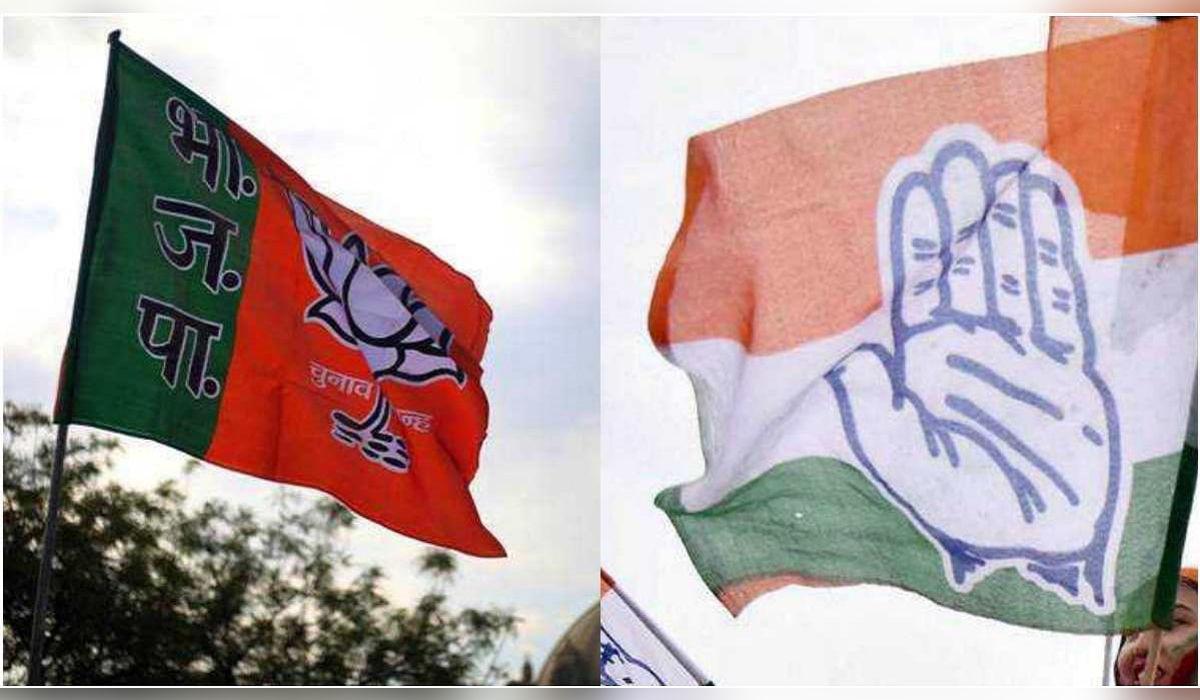
Vote Counting Underway Across Gujarat In Crucial Local Body Elections
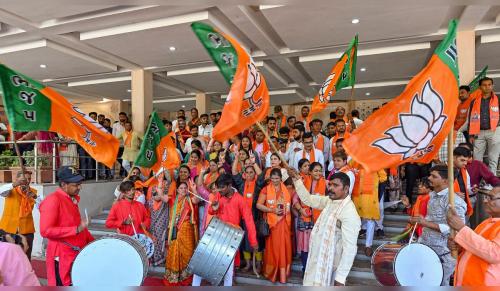
Counting of votes for the Gujarat Local Body Elections 2026 is underway across the state, with early trends indicating a strong start for the Bharatiya Janata Party (BJP) in one of the biggest grassroots electoral contests in recent years.
The elections were held on April 26 and 27 across 15 municipal corporations, 84 municipalities, and more than 200 district and taluka panchayats, making it a major test of political strength for the BJP, Congress, and Aam Aadmi Party (AAP).
These civic polls are being closely watched as they offer an important indication of the political mood in Gujarat ahead of future assembly battles.
BJP Secures 722 Seats Unopposed Before Counting
Even before the counting process began, the BJP had gained a major edge by winning 722 seats unopposed, according to figures released by the State Election Commission (SEC).
Out of 9,952 total seats, 722 were declared uncontested after 1,663 candidates withdrew, giving the ruling party an early advantage.
The Congress has questioned these uncontested victories, alleging that many candidates were pressured into withdrawing, while the SEC has stated that such uncontested wins were restricted to municipalities and nagar palikas.
BJP, Congress And AAP In Multi-Cornered Battle Across Gujarat
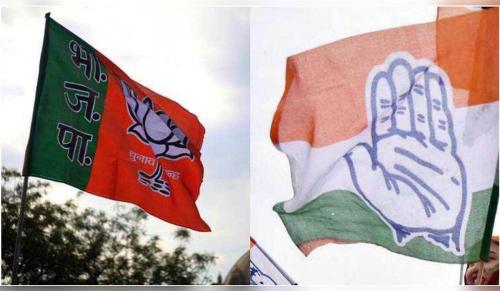
More than 9,200 seats remain in direct contest, with the primary battle taking place between the BJP, Congress, and AAP, while the AIMIM has also fielded candidates in select areas.
The local elections have gained added significance due to the recent increase in OBC reservation in local bodies from 10 per cent to 27 per cent, a change expected to influence the voting pattern in several constituencies.
Political observers believe the results will reveal whether the opposition has been able to dent BJP’s long-standing dominance in Gujarat’s local politics.
Key Municipal Corporations In Focus As Results Emerge
The spotlight remains on Gujarat’s major urban centres, where results are expected to shape the political narrative statewide.
The key municipal corporations where counting is underway include Ahmedabad, Surat, Vadodara, Rajkot, Bhavnagar, Jamnagar, Junagadh, Gandhinagar, Anand, Gandhidham, Mehsana, Morbi, Nadiad, Navsari, Porbandar-Chhaya, Surendranagar, and Vapi.
Performance in these civic bodies will be seen as a key measure of public support for major political parties in urban Gujarat.
Rural Areas Show Higher Turnout Than Urban Centres
The elections recorded stronger participation in rural regions than in urban centres, indicating sustained voter engagement in district and taluka panchayat contests.
The voting exercise was the first major local election after the Special Intensive Revision (SIR) of electoral rolls, adding further importance to the outcome.
The turnout pattern is expected to influence results in rural bodies where local issues often outweigh broader party narratives.
Local Body Results Seen As Major Political Indicator
The Gujarat local body election results are being viewed as a major political indicator, particularly for the BJP, which has dominated the state’s political landscape for years.
For the Congress and AAP, the elections offer an opportunity to demonstrate grassroots relevance and build momentum in select regions.