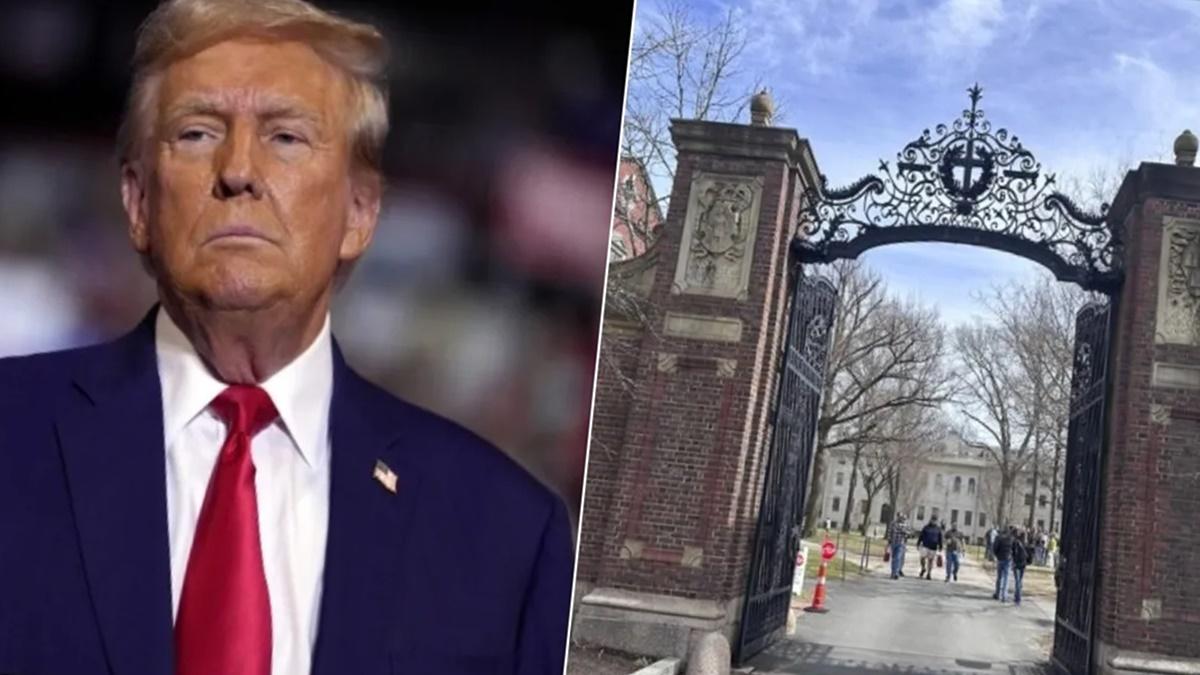
In a dramatic escalation of tensions between academia and the federal government, the Trump-led administration has frozen over $2.2 billion in federal grants and contracts to Harvard University, citing the institution’s refusal to implement a series of government mandates targeting campus activism and diversity initiatives.
The move comes after Harvard flatly rejected directives that included adopting “merit-based” policies in admissions and hiring, auditing the political stances of its academic community, and banning the use of face coverings—seen as a pointed strike at pro-Palestinian demonstrators on campus.
The freeze was officially communicated via a letter from the Department of Education on April 11, which also instructed the university to cease funding or recognizing student organizations deemed to “endorse criminal acts, violence, or harassment.”
Harvard Pushes Back: "Unconstitutional Overreach"
Harvard President Alan Garber responded with sharp criticism, labeling the directives an assault on constitutional freedoms. “No government—regardless of which party is in power—should dictate what private universities can teach, whom they can admit and hire, and which areas of study and inquiry they can pursue,” he wrote in a letter addressed to the campus community on Monday.
Garber insisted that the administration’s demands violate the First Amendment and far exceed the government’s authority under Title VI, which prohibits discrimination based on race, color, or national origin. He framed the standoff as a pivotal battle over academic freedom and institutional autonomy.
“These ends will not be achieved by assertions of power, unmoored from the law, to control teaching and learning at Harvard,” he wrote. “The work of addressing our shortcomings, fulfilling our commitments, and embodying our values is ours to define and undertake as a community.”
A Broader Crackdown on Ivy League Institutions
Harvard is not alone in facing federal scrutiny. The Trump administration has also paused federal funding to the University of Pennsylvania, Princeton, and Brown University, all of which have been accused by the government of allowing unchecked antisemitism during protests related to Israel’s war in Gaza. Universities have pushed back against these claims, asserting their commitment to combating all forms of hate while protecting students’ right to protest.
Campus Activism at the Forefront
The situation reached a boiling point after months of student-led protests. Harvard Yard, a historic symbol of academic prestige, was transformed into a protest hub with encampments, teach-ins, and vigils. The Harvard Palestine Solidarity Committee and other student organizations demanded accountability from university leadership and called for a halt to U.S. military aid to Israel.
By October, protest slogans like “From the river to the sea,” “Ceasefire now,” and “Books not bombs” echoed through campus walkways. The use of face coverings during these demonstrations has since become a flashpoint in the administration’s directive to ban masks—seen by critics as an infringement on peaceful protest.
What Lies Ahead
Legal scholars and civil rights organizations are closely watching how this conflict unfolds, warning that the administration’s move could set a dangerous precedent for using federal funds as leverage to dictate campus discourse.
As Harvard braces for the financial impact, its leadership appears resolute. “This is not just about Harvard,” a faculty member noted. “This is about whether American universities remain spaces of independent thought—or tools of political control.”