Iran on Monday signaled a fresh diplomatic setback in its relations with the United States, announcing that it currently has no plans to hold another round of negotiations with Washington, as mutual distrust between the two countries continues to deepen.
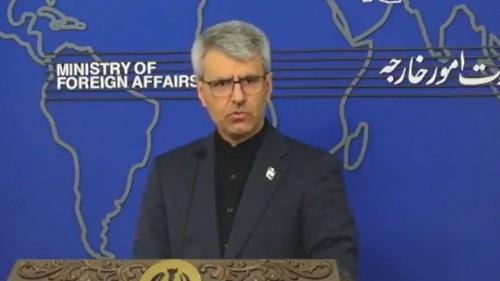
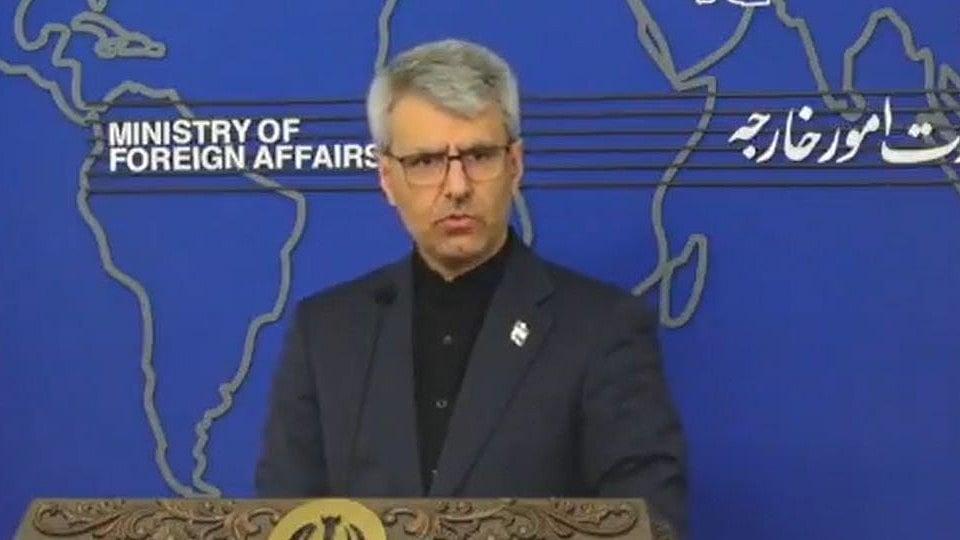
Speaking during a press briefing, Iranian Foreign Ministry spokesperson Esmaeil Baghaei said no date has been fixed for future negotiations, adding that Tehran is increasingly uncertain about whether meaningful talks with the United States can resume under the current circumstances.
Baghaei accused the United States of failing to show genuine commitment to diplomacy and alleged that repeated violations of ceasefire-related understandings have seriously weakened confidence between the two sides. According to Iran, these actions have created a trust deficit that now threatens any immediate diplomatic progress.
The Iranian spokesperson claimed that Washington had repeatedly acted against the spirit of previous understandings, including alleged breaches linked to regional ceasefire arrangements and efforts aimed at increasing military pressure in the region. He argued that such actions have led Tehran to question the seriousness of the US approach toward diplomacy.
Baghaei also alleged that a recent strike on an Iranian commercial vessel amounted to an aggressive act that violated international norms. He said the incident has further damaged public confidence in Iran regarding the possibility of constructive engagement with Washington.
According to him, such developments have increased doubts about the real intentions of the United States and made it more difficult for Iran to justify further negotiations without stronger guarantees.
Iran has stated that the future of any talks with the United States will depend entirely on its national interests, suggesting that Tehran is unwilling to return to the negotiating table unless it sees a meaningful shift in Washington’s actions.
The spokesperson also said that Iran has informed Pakistan, which is currently acting as the main mediator, about the alleged violations and its concerns over the current state of diplomacy.
Pakistan, which has been working to revive dialogue between the two sides, reportedly remains cautiously optimistic about restarting negotiations and has been preparing to host another round of talks in Islamabad.
Diplomatic sources indicate that Pakistan has proposed extended multi-day negotiations in an effort to reduce tensions and secure a temporary memorandum of understanding that could extend the current ceasefire arrangement by up to 60 days. The proposed extension is seen as an attempt to create breathing space for both sides and open the door to a more durable agreement.
However, despite these mediation efforts, officials acknowledge that rising tensions and the growing atmosphere of mistrust have significantly reduced the chances of an immediate breakthrough.
The latest developments mark another setback in already fragile relations between Iran and the United States, with uncertainty now surrounding whether the diplomatic channel can be revived in the near future. With both sides accusing each other of undermining trust, prospects for renewed negotiations remain unclear.