Vehicle owners who bypass toll payments on National Highways may soon find routine transport services out of reach. In a move aimed at tightening toll compliance, the Ministry of Road Transport and Highways (MoRTH) has rolled out updated motor vehicle rules that directly link unpaid toll dues with key administrative approvals.
The newly notified Central Motor Vehicles (Second Amendment) Rules, 2026, introduce strict conditions for vehicle-related clearances. Under the revised framework, owners with pending toll payments will be denied essential documents, including permissions required for transferring ownership or shifting vehicles across state borders.
According to officials, a vehicle will no longer be eligible for a No Objection Certificate (NOC) if any toll charges remain unsettled. The same restriction will apply to the renewal or issuance of a Certificate of Fitness, effectively grounding vehicles until dues are cleared. Commercial vehicles seeking a National Permit will also be required to maintain a clean record with no outstanding toll liabilities.
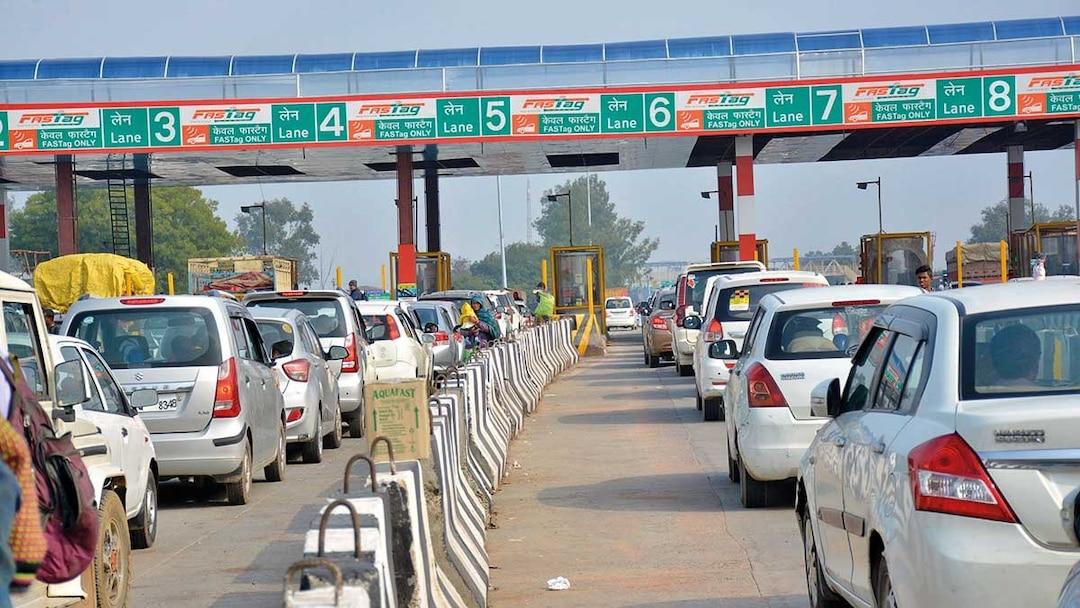
The amended rules formally define “unpaid user fee” as toll charges that are digitally logged when a vehicle passes through an electronic toll collection point, but the payment is not successfully received. With most highways now operating on FASTag and related digital systems, authorities say tracking such violations has become more accurate and enforceable.
To strengthen disclosure, applicants seeking an NOC will now have to declare any pending toll amounts in an updated version of Form 28. This form has been redesigned to integrate toll payment status, closing gaps that previously allowed defaulters to access transport services without clearing dues.
The ministry said the regulatory changes are designed to prepare the system for the wider rollout of the Multi-Lane Free Flow (MLFF) tolling model. The upcoming system will allow vehicles to pass through highways without stopping at physical toll booths, making digital compliance critical for revenue collection.
In another step toward digitisation, parts of Form 28 can now be submitted online through the government’s transport portal, reducing paperwork and manual intervention. Officials believe this will not only streamline services but also make enforcement more transparent.
The amendments follow a draft notification issued in mid-2025, after which feedback was invited from stakeholders. Authorities said the final rules reflect consultations with industry and enforcement agencies, balancing ease of services with stricter accountability.