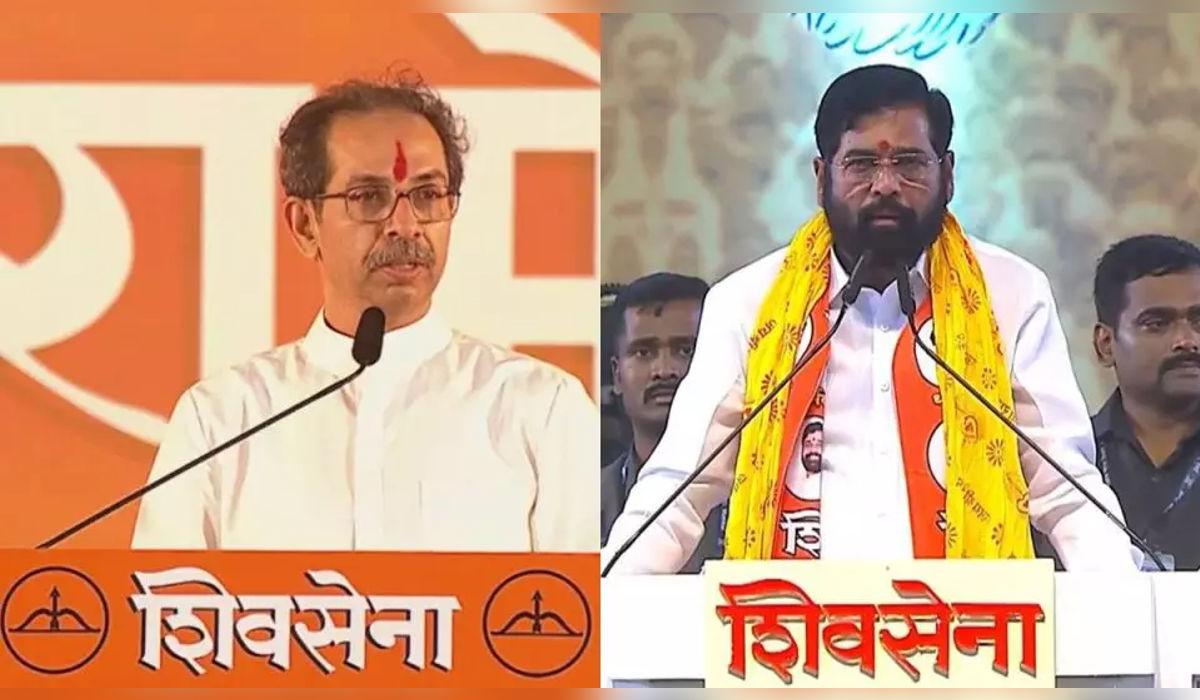
As Mumbai moves closer to the high-voltage Brihanmumbai Municipal Corporation (BMC) elections scheduled for January 15, 2026, the city is witnessing a political moment unlike any other. For the first time since the Shiv Sena’s birth, the Marathi vote is no longer moving in one direction. Instead, it is split between two rival claimants to the Sena legacy—Uddhav Thackeray on one side and Eknath Shinde, backed by the BJP, on the other.
Adding a dramatic twist is the Uddhav Thackeray–Raj Thackeray reunion, which has revived memories of Balasaheb Thackeray and sharpened the emotional pitch around Marathi Asmita. Facing them is the Mahayuti, projecting governance, funding power, and “double-engine” development as proof of legitimacy.
This election is no longer about roads and drains alone. It is about identity, legacy, control of Mumbai’s cash-rich civic body, and the future of Sena politics. And that battle will be decided in a handful of wards where the Marathi Manoos still holds the key.
1. G-South (Worli–Prabhadevi): Legacy vs Defection
This is Aaditya Thackeray’s political backyard and a prestige zone for the Thackeray family. While Sena (UBT) banks on emotional loyalty and long-time leaders, the Shinde faction has fielded defectors with administrative access. A loss here would symbolically weaken the Thackeray brand.
2. G-North (Dadar–Mahim–Matunga): Birthplace of Sena Politics
Dadar is not just a ward—it is the ideological heart of Shiv Sena. The UBT–MNS alliance is trying to consolidate Marathi pride around Shivaji Park, while Shinde’s Sena is countering with redevelopment promises and organisational muscle.
3. F-South (Parel–Lalbaug–Sewri): The Emotional Marathi Core
Once mill land, now political gold. Voters here are torn between emotional loyalty to Matoshree and pragmatic alignment with the state government. This ward could indicate whether sentiment still beats सत्ता (power).
4. S-Ward (Bhandup–Vikhroli): Shakha Workers’ Test
This ward will reveal where the traditional Sena ground workers truly stand. If booth-level workers stayed with Uddhav, UBT gains momentum. If resources pulled them towards Shinde, the Mahayuti strengthens its narrative.
5. R-North (Dahisar): Development vs Identity
Dahisar has seen visible infrastructure work under the current regime. The Shinde–BJP combine is banking on this, while the UBT–MNS camp is pushing the argument that development without Marathi leadership weakens Mumbai’s soul.
6. K-East (Andheri East–Jogeshwari): The Urban Marathi Vote
A mix of middle-class housing and labour pockets, this ward is a litmus test for whether the UBT–MNS alliance can convert cultural messaging into votes among younger, urban Marathi families.
7. M-West (Chembur): Claiming Balasaheb’s Legacy
Both factions openly invoke Balasaheb Thackeray here. Whoever wins Chembur gains moral authority to claim they are the true inheritors of the Shiv Sena ideology.
8. N-Ward (Ghatkopar): Alliance Arithmetic
With a strong non-Marathi presence, Marathi pockets become decisive. Shinde’s Sena leans heavily on BJP support, while the Thackeray camp is attempting to prevent vote fragmentation through emotional consolidation.
9. H-East (Bandra East): Matoshree’s Backyard
This is survival territory for Sena (UBT). A setback here would be politically devastating and symbolically powerful for the Shinde camp, signalling a complete shift of power.
10. T-Ward (Mulund): The Swing Zone
Often viewed as BJP-friendly, Mulund’s Marathi voters could play spoiler. Even marginal gains for the UBT–MNS alliance here could disrupt Mahayuti’s calculations citywide.
The Bigger Picture
Eknath Shinde is pitching governance, stability, and access to state power, while Uddhav and Raj Thackeray are invoking history, pride, and identity. One side promises delivery; the other promises belonging.
On January 16, when votes are counted, the result will go far beyond corporator numbers. It will answer one burning question that defines Mumbai politics today: