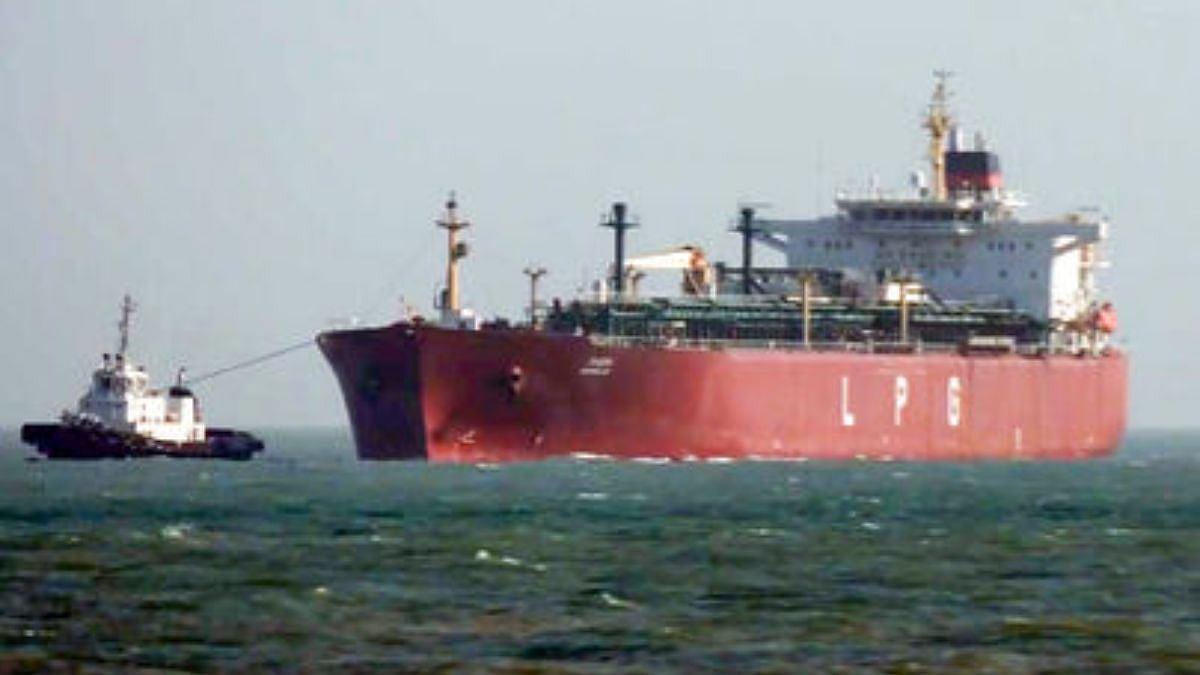
In a major relief for India’s energy supply, two Indian-flagged ships carrying cooking gas have successfully begun passing through the highly sensitive Strait of Hormuz, offering hope of easing LPG shortages amid rising tensions in West Asia.
According to reports, the vessels—Jag Vasant and Pine Gas—are expected to reach the Gulf of Oman by Monday evening if their journey continues without disruption. A complete transit through the Strait typically takes around 14 hours.
The development comes at a time when the crucial global shipping route has been under severe strain following escalating tensions after strikes involving the United States and Israel in the region. Since then, Iran has imposed tight control over maritime movement, allowing only select vessels to pass after negotiations.
Ship-tracking data indicates that both vessels are currently navigating close to Iran’s coastline near Qeshm and Larak islands, a route believed to be safer under current conditions. Instead of revealing their final destination, the ships displayed Indian ownership in their tracking systems—a precaution increasingly adopted by vessels to ensure safe passage through the conflict zone.
Jag Vasant had loaded LPG from Kuwait, while Pine Gas picked up cargo from Ruwais in the UAE. Both ships had entered the Persian Gulf in late February but were stuck due to rising hostilities before receiving clearance to move.
The cargo onboard—liquefied petroleum gas (LPG)—is a critical fuel widely used for cooking in Indian households, making the safe movement of these ships vital for domestic supply stability.
Shipping patterns suggest that Iran is actively regulating traffic in the region, guiding vessels along its coastline, while the usual route closer to Oman has become riskier. Earlier this month, at least one vessel was reportedly attacked in those waters.
Notably, this is not the first such movement, as two other Indian LPG carriers had successfully completed similar journeys through the Strait earlier, indicating cautious but controlled resumption of maritime activity.