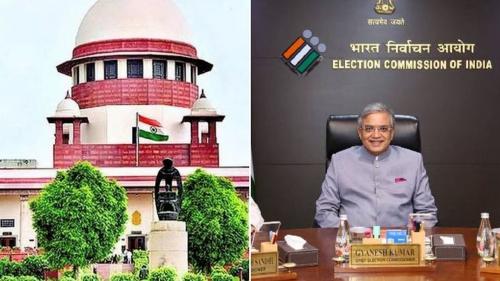

The Supreme Court of the United States has struck down former President Donald Trump’s wide-ranging global tariffs, dealing a major blow to his trade policy approach. The ruling was delivered by a 6–3 majority, marking a rare moment where the court directly limited presidential authority on economic matters.
The judges ruled that Trump could not use a decades-old emergency law to impose import taxes on nearly every trading partner. The court said the law, passed in 1977, was meant to handle national emergencies but did not clearly give the president the power to introduce tariffs on such a large scale.
Three judges disagreed with the majority decision and argued that the president should have greater freedom during economic emergencies. However, the majority opinion stated that stretching the law to cover global tariffs crossed legal limits and weakened the role of Congress.
Trump had defended the tariffs as necessary to protect American industries and reduce trade deficits. He warned that cancelling them could harm the economy. Despite this, opposition to the tariffs came from across the political spectrum, including Democratic-led states, business groups, and trade organisations that usually support Republican policies.
Many companies had challenged the tariffs in court, saying they increased costs and created uncertainty. Small and large businesses, including importers of everyday goods like clothing, toys, and home supplies, argued that the law being used did not mention tariffs at all. The court agreed that the absence of clear permission in the statute was a key issue.
According to official estimates, the tariffs were expected to affect trillions of dollars in trade over the next decade. While the government collected significant revenue from these duties, critics said consumers ultimately paid the price through higher costs and inflation.
The ruling does not stop future presidents from using other trade laws, but those processes are slower and require more checks. Legal experts say the decision reinforces the idea that only Congress has the constitutional authority to control tariffs.