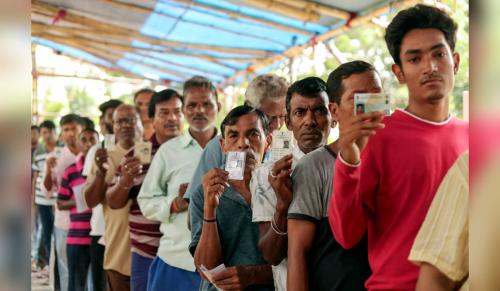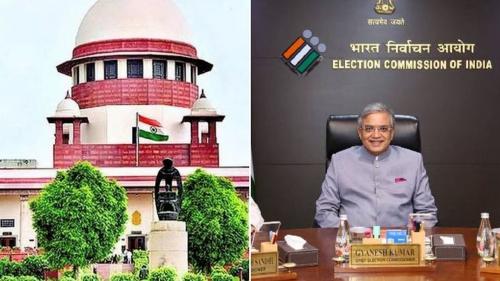
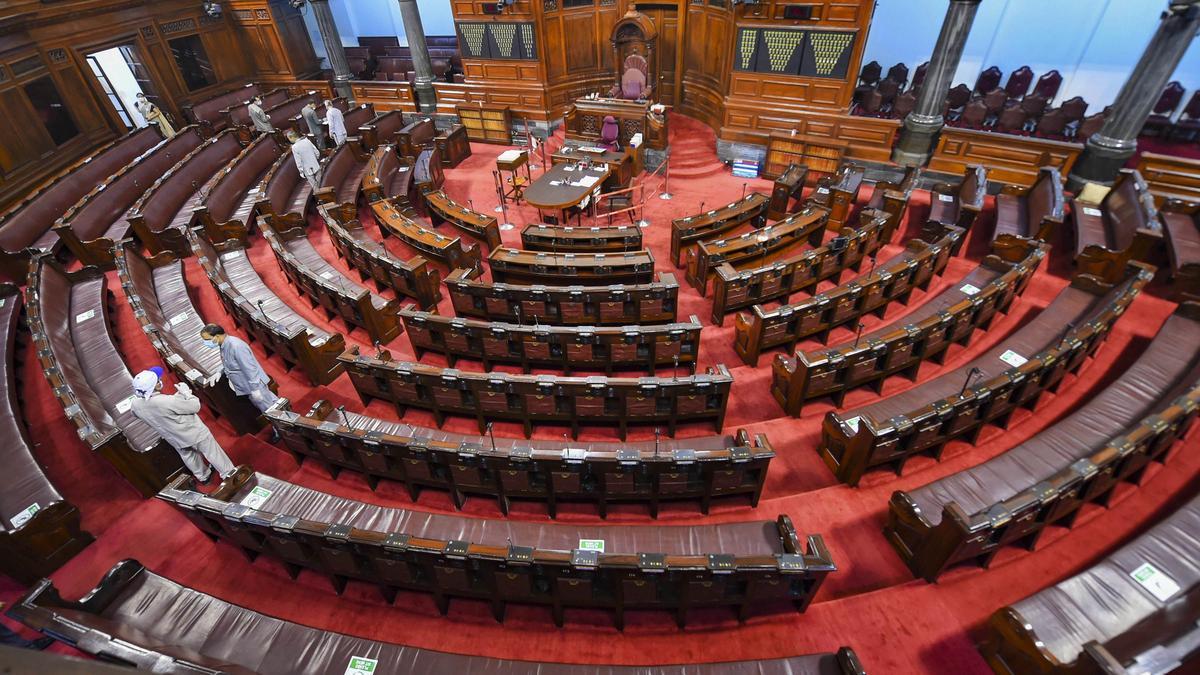
The biennial elections for 37 seats of the Rajya Sabha across 10 states will be held on March 16, with counting scheduled on the same day. The elections are taking place because the terms of several members will expire in April. The states going to polls include Maharashtra, Odisha, Tamil Nadu, West Bengal, Assam, Bihar, Chhattisgarh, Haryana, Himachal Pradesh and Telangana.
The election process began with the notification issued on February 26. Nomination filing closed on March 5 and the entire election process will be completed by March 20. The polls are being closely watched as they could strengthen the position of the Bharatiya Janata Party-led National Democratic Alliance (NDA) in the Upper House of Parliament.
At present, the NDA holds more than 130 seats in the Rajya Sabha including nominated members. With several favourable state assemblies, the alliance is expected to improve its tally further. Political observers believe these elections could help the ruling alliance push important legislation more smoothly in Parliament.
In Maharashtra, where seven seats are up for grabs, the BJP and its allies including the Shiv Sena and the Nationalist Congress Party have strong numbers in the assembly. The NDA has already secured six seats while one seat has gone to the Maha Vikas Aghadi camp through Sharad Pawar’s faction.
The BJP also appears strong in Assam and Chhattisgarh where the party enjoys comfortable legislative majorities. In Assam, three seats are up for election and the NDA is expected to win all of them. Similarly, in Chhattisgarh, the BJP holds a strong advantage in the contest for two seats.
West Bengal’s five seats are expected to witness an interesting contest. The ruling Trinamool Congress has already secured four seats unopposed. However, the BJP is trying to expand its presence and may gain one seat that was earlier held by the Communist Party of India (Marxist).
The situation in Bihar is also crucial where five seats are at stake. The NDA alliance led by the BJP and Janata Dal (United) is close to securing all five seats as it already has 202 votes in the assembly and needs only three additional votes to reach the required figure of 205.
In Tamil Nadu, the Dravida Munnetra Kazhagam-led alliance is expected to maintain its strength in the six-seat contest. Meanwhile, Telangana and Himachal Pradesh offer limited opportunities for major gains as the Congress currently holds influence there.
Overall projections suggest the NDA could gain around four to six additional seats in the Rajya Sabha, pushing its tally above 135. This would strengthen its position in the Upper House and make it easier to pass key legislation. On the other hand, the opposition INDIA bloc is expected to lose several seats and may see its strength drop below 90 members.
With polling set for March 16 and counting on the same day, political parties are closely monitoring cross-voting possibilities and last-minute political moves. While many seats may see uncontested victories, states like West Bengal and Bihar could witness intense political drama as the battle for control of the Upper House continues.