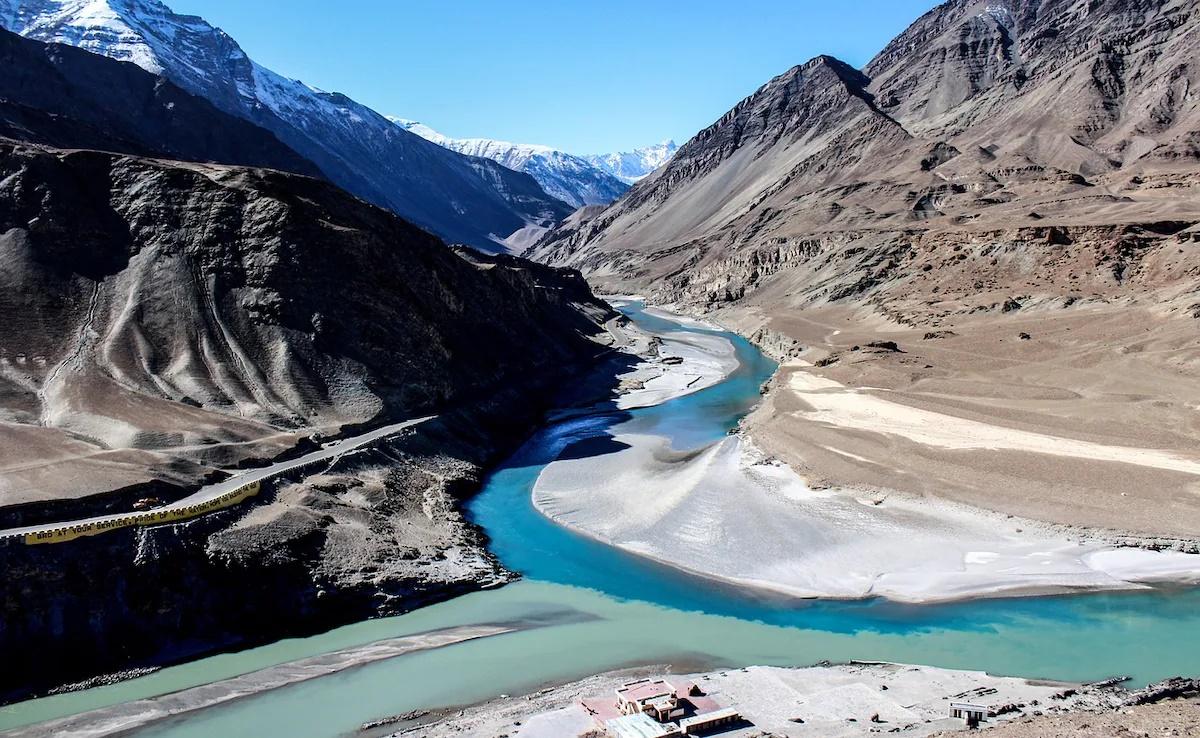
In a major geopolitical move following the deadly terrorist attack in Pahalgam that claimed 28 lives, India has suspended the landmark Indus Waters Treaty (IWT) with Pakistan, marking a sharp escalation in diplomatic and strategic measures.
The announcement was made on Wednesday by Foreign Secretary Vikram Misri after a high-level meeting of the Cabinet Committee on Security (CCS), chaired by Prime Minister Narendra Modi. Addressing a press conference, Misri declared:
What Is the Indus Waters Treaty?
Signed on September 19, 1960, in Karachi, the Indus Waters Treaty was brokered by the World Bank and remains one of the most detailed water-sharing agreements globally. It was inked between the then Indian Prime Minister Jawaharlal Nehru and Pakistan’s President Field Marshal Mohammad Ayub Khan.
The treaty governs the distribution of waters from the Indus River system, which comprises six rivers:
- Eastern Rivers: Ravi, Beas, and Sutlej
- Western Rivers: Indus, Jhelum, and Chenab
Under the treaty, India retained control over the eastern rivers, while Pakistan was given access to the western rivers, with India permitted limited use for agricultural and hydroelectric purposes, under strict conditions.
Following the Partition of 1947, the Indus Basin was split between the two nations. India emerged as the upper riparian state while Pakistan became the lower riparian, making water-sharing both a strategic and survival issue for the latter.
Why Was the Treaty Suspended?
India’s decision to suspend the IWT comes after the brutal Pahalgam terrorist attack, which Indian intelligence attributes to Pakistan-based terror outfits. The move is seen as a way to pressure Islamabad into dismantling terror infrastructure and ending its alleged support for cross-border terrorism.
India had already taken a significant step last year in September 2024, when it served a formal notice to Pakistan, seeking a review and modification of the treaty’s terms.
Other Measures Announced by India
Foreign Secretary Misri outlined additional actions targeting Pakistan’s diplomatic and civilian access:
- Closure of the Integrated Check Post at Attari: Valid entries allowed to return before May 1, 2025.
- Revocation of SAARC Visa Exemption Scheme (SVES): All SVES visas for Pakistani nationals are cancelled, and those currently in India under this scheme must leave within 48 hours.
- Expulsion of Pakistani Defence Personnel: India has declared Defence, Military, Naval, and Air Advisors in the Pakistani High Commission in New Delhi as persona non grata. They must exit the country within a week.
- Withdrawal of Indian Military Advisors from Islamabad: India has simultaneously withdrawn its own Defence, Navy, and Air advisors from the Indian High Commission in Islamabad.
A Watershed Moment
The suspension of the Indus Waters Treaty — often held up as a rare example of Indo-Pak cooperation despite enduring hostilities — is a historic step. It reflects New Delhi’s evolving approach to dealing with terrorism and its broader strategic calculus regarding Pakistan.