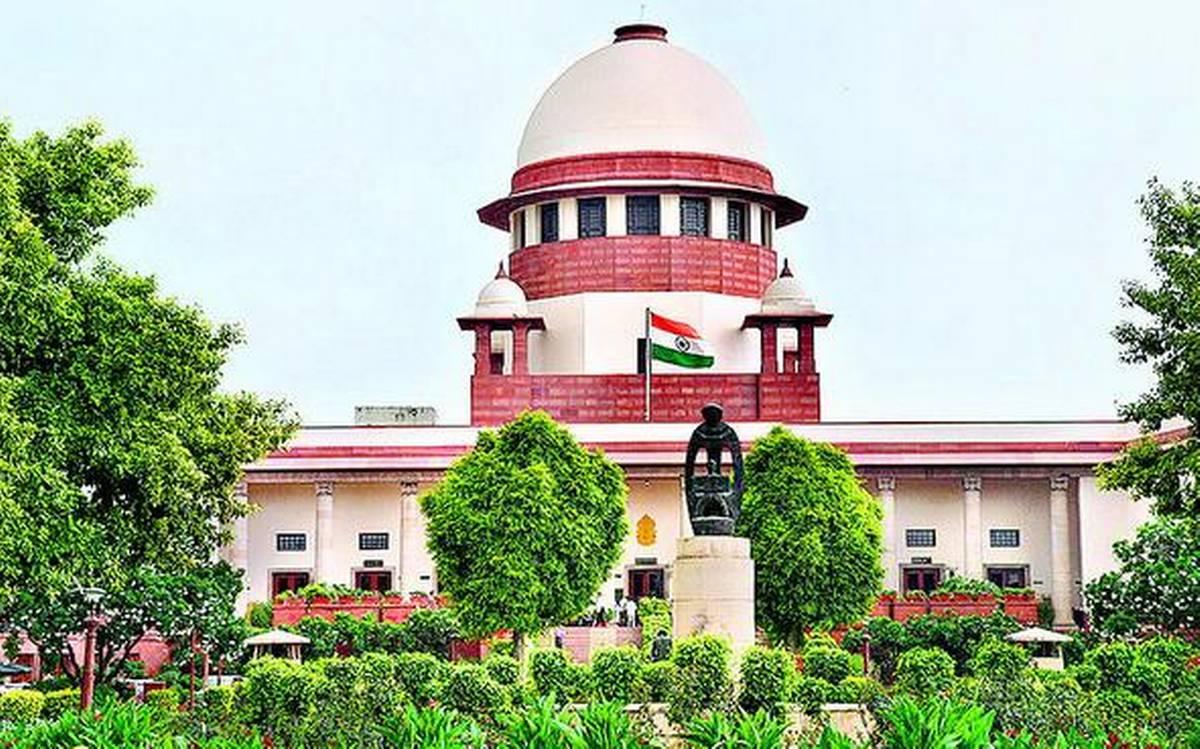
The Supreme Court on Thursday issued a sharp warning to state governments, expressing deep concern over the rising number of deaths — including suspected suicides — among Booth Level Officers (BLOs) assigned to the ongoing Special Intensive Revision (SIR) of electoral rolls. Calling the reports “disturbing” and “unacceptable in a democracy,” the bench, led by Chief Justice Surya Kant and Justice Joymalya Bagchi, directed states and union territories to immediately reinforce manpower for the exercise.
The observations came while hearing a petition filed by Tamilaga Vettri Kazhagam (TVK), the political party launched by actor Vijay, which highlighted the severe physical and mental strain on BLOs. Represented by senior advocate Gopal Sankaranarayanan, the party informed the court that many BLOs — often teachers, Anganwadi workers or low-level administrative staff — were collapsing under excessive workload allegedly imposed by local election authorities.
Taking note of these concerns, the Supreme Court said the existing strength of personnel is grossly inadequate and must be increased without delay. “Where 10,000 personnel have been deployed, even 30,000 can be assigned,” the Court remarked, stressing that the integrity of elections cannot be ensured by overworking a small group of vulnerable employees.
The bench directed governments to adjust schedules, reduce working hours, and grant medical or personal leave to BLOs who are ill or under stress — something BLOs have struggled to obtain during the SIR process. States have also been told to allow exemptions on a case-by-case basis, provided an adequate substitute is arranged.
At the same time, the Court clarified that governments cannot arbitrarily pull out staff from SIR duties without appointing replacements, as this could disrupt voter-roll verification timelines.
The TVK also alleged that BLOs were being intimidated with threats of prosecution under Section 32 of the Representation of the People Act, which allows up to two years of imprisonment for neglect of duty. The Court did not comment on the allegation but acknowledged the need for administrative sensitivity during election-related work.