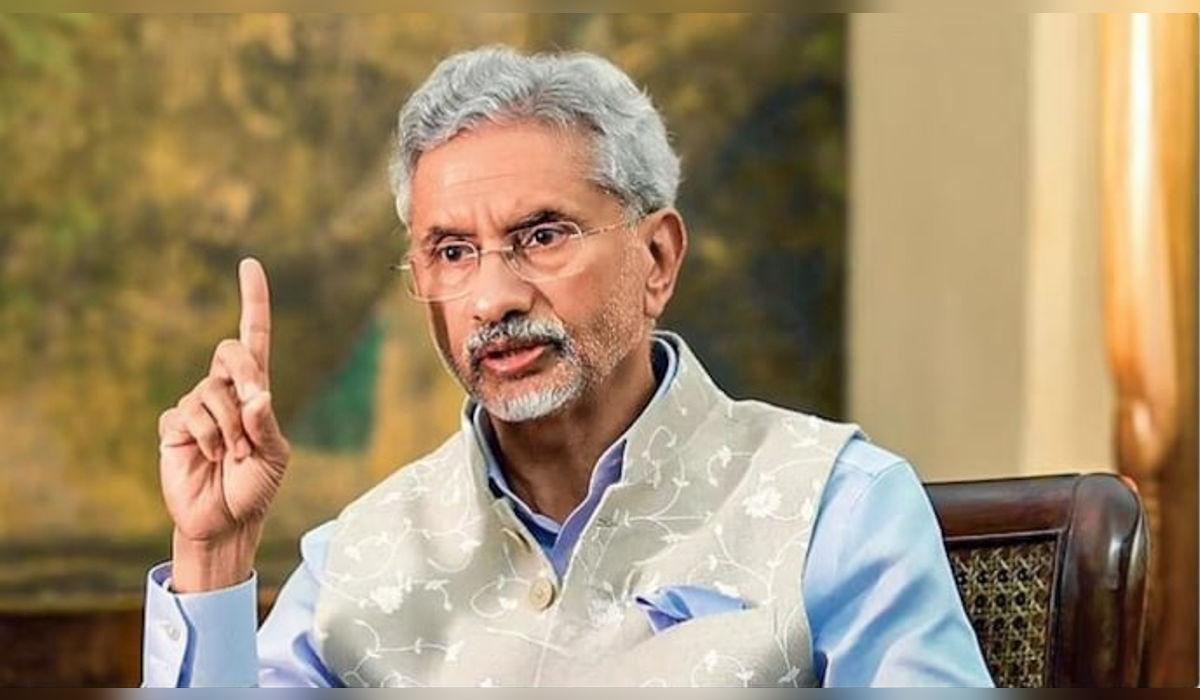
As tensions spiral across West Asia following coordinated US and Israeli military action against Iran, India has moved swiftly to protect its interests and citizens. External Affairs Minister S. Jaishankar held urgent conversations with top leaders across the Gulf, as well as with his counterparts in Iran and Israel, seeking de-escalation and assurances for the safety of millions of Indians living in the region.
India Pushes for Dialogue Amid Escalation
Jaishankar spoke directly with Iranian Foreign Minister Seyed Abbas Araghchi and Israeli Foreign Minister Gideon Sa'ar, conveying India’s serious concern over the rapidly deteriorating security situation. He emphasised that dialogue and diplomacy remain the only viable path to prevent further bloodshed.
The outreach came after US President Donald Trump announced the launch of “major combat operations” targeting Iranian facilities following the collapse of nuclear negotiations. Israel confirmed missile operations, while Iran’s Revolutionary Guard reportedly responded with strikes targeting US and Israeli-linked military bases across the Gulf.
Gulf Nations Assure Safety of Indians
Recognising the risk to the large Indian diaspora, Jaishankar also contacted senior leaders across the Gulf region. Discussions were held with Saudi Foreign Minister Faisal bin Farhan Al Saud, Kuwait’s Sheikh Jarrah Jaber Al-Ahmad Al-Sabah, Bahrain’s Foreign Minister Abdullatif bin Rashid Al Zayani, Qatar’s Prime Minister Mohammed bin Abdulrahman bin Jassim Al Thani, and UAE Foreign Minister Abdullah Bin Zayed Al Nahyan.
According to officials, each leader assured India that the welfare and security of Indian expatriates would be safeguarded despite the volatile environment.
Explosions, Airspace Closures and Civilian Fears
Reports of explosions in Tehran and other Iranian cities have heightened fears of a broader regional war. Iranian state media claimed dozens of casualties, including at civilian sites, though independent verification remains limited.
Several Gulf nations temporarily restricted or monitored their airspace, causing flight disruptions. The Indian Embassy in Abu Dhabi issued advisories urging Indian students and residents to avoid unnecessary travel and stay updated through official channels.
India Walks Diplomatic Tightrope
The Ministry of External Affairs echoed Jaishankar’s appeal for restraint, urging all sides to avoid further escalation and prioritise civilian protection. India maintains deep energy, trade, and diaspora links across the Gulf, where an estimated 18 million Indians live and work.