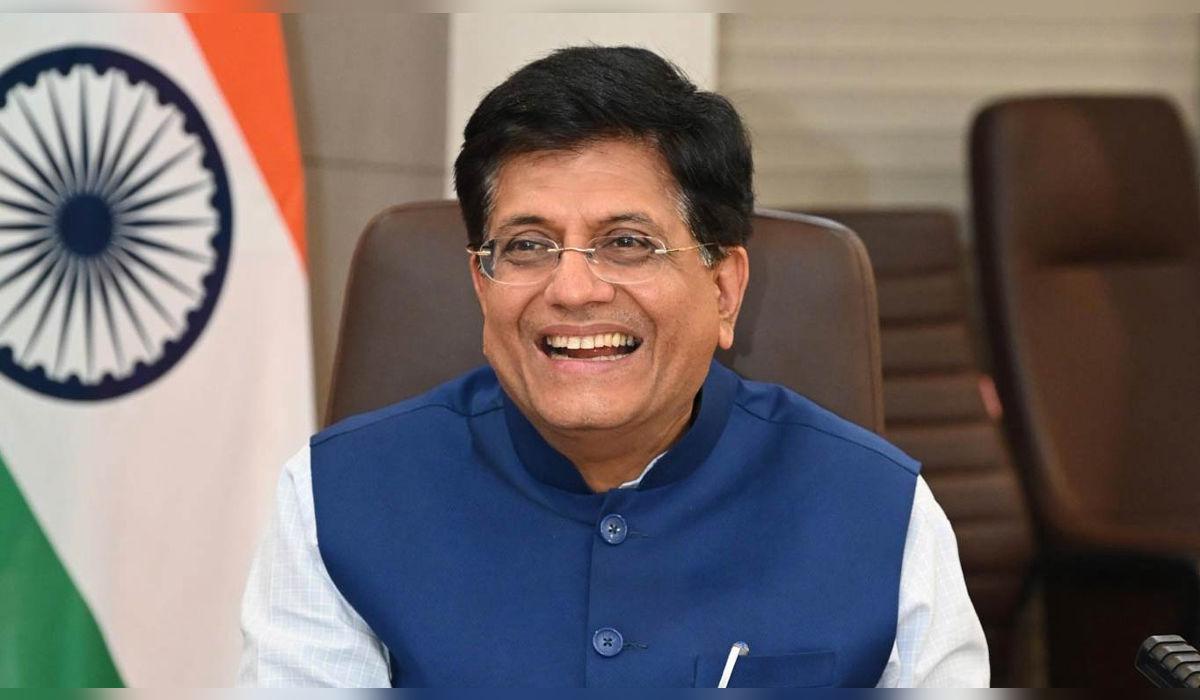
The India–United States trade agreement is set to become a key driver of India’s long-term economic transformation, with the Centre asserting that national interests—especially in sensitive sectors—have been firmly protected. Commerce and Industry Minister Piyush Goyal on Wednesday told Parliament that India has successfully secured its priorities in critical areas such as agriculture, dairy, and fertilisers while opening up new growth avenues through the pact.
According to the government, the agreement aligns closely with the broader vision of Viksit Bharat and Atmanirbhar Bharat, aiming to position India as a global manufacturing and innovation hub by 2047. Goyal underlined that the deal is not just about trade volumes but about empowering domestic stakeholders—from small traders and MSMEs to skilled workers and large industries—by integrating them with global value chains.
The trade framework includes a reduction in reciprocal tariffs from 25 per cent to 18 per cent, a move expected to improve cost competitiveness for Indian exporters. Additionally, the removal of the extra 25 per cent duty on Russian oil imports is projected to ease pressure on India’s energy costs, indirectly supporting industrial growth and price stability.
India has also committed to significantly expanding imports from the United States, with a target of USD 500 billion across strategic sectors such as energy, defence manufacturing, advanced technology, and agriculture. Officials believe this balanced approach will attract foreign investment, facilitate technology transfer, and strengthen bilateral economic cooperation.
A day earlier, addressing the media after the announcement of the agreement, Goyal described the pact as a landmark achievement, calling it the most advantageous trade deal India has secured when compared with neighbouring and competing economies. He stressed that India entered the negotiations from a position of strength, ensuring that domestic priorities were not compromised.
Reiterating the government’s stance, Goyal said the protection of agriculture and dairy reflects Prime Minister Narendra Modi’s consistent focus on safeguarding farmers and allied sectors. He added that the agreement is designed to create sustainable opportunities for rural and industrial workers alike, while reinforcing India’s ambition to manufacture, design, and innovate for global markets.