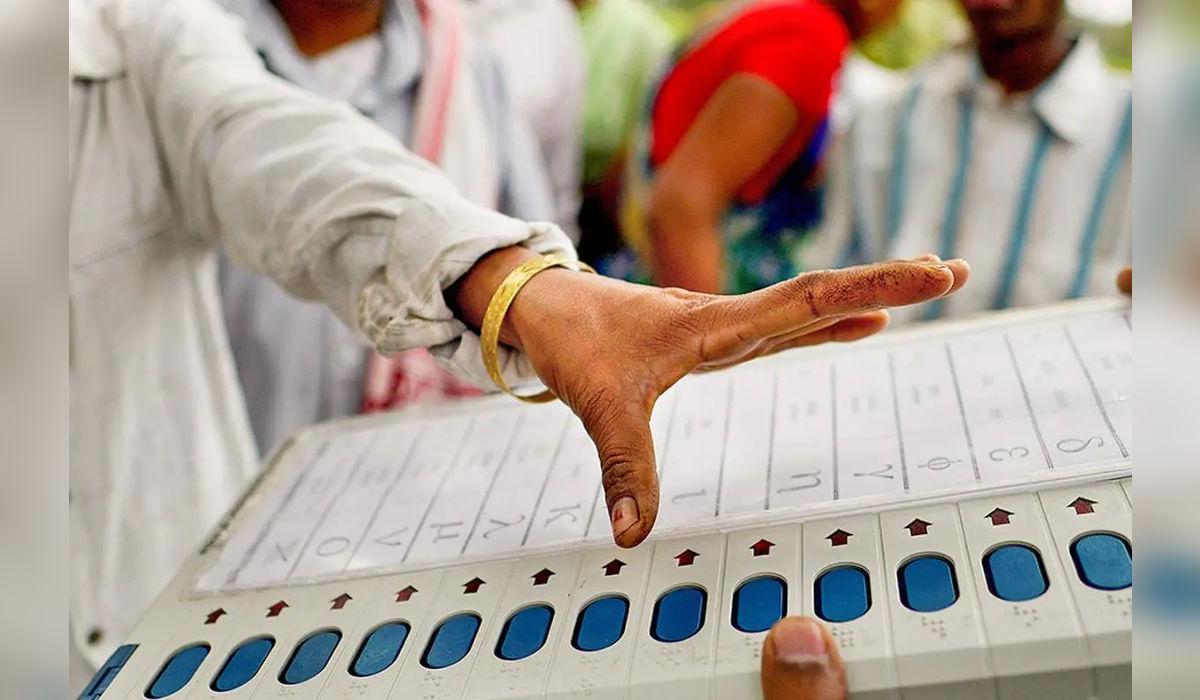
India’s democratic system is facing growing risks from unchecked money power and weak oversight of political finance, according to a new report released by the Association for Democratic Reforms (ADR). The report, titled Political Finance in India: Assessment and Recommendations, highlights major gaps in the current regulatory system governing political funding and warns that financial secrecy and excessive campaign spending are undermining the fairness of elections.
According to the report, seven major issues are weakening India’s electoral framework. These include the growing dominance of money and muscle power in elections, the absence of internal democracy within political parties, weak enforcement powers for the Election Commission of India, the inability to deregister political parties that violate rules, the evasion of the Right to Information Act by political parties, candidates frequently flouting electoral regulations and a lack of political will to implement meaningful reforms. ADR warned that these structural flaws are allowing political parties to operate with limited transparency while campaign spending continues to rise.
The report calls for a comprehensive law to regulate political parties in India. Such legislation, ADR said, should enforce financial transparency, ensure internal party democracy and hold party leadership accountable for violations of election rules. It also recommends giving the Election Commission stronger powers, including the authority to deregister political parties that fail to comply with financial disclosure norms or ignore court orders.
ADR has also suggested bringing political parties under the purview of the Right to Information Act so that citizens can seek information about their funding and internal functioning. According to the organisation, this step would significantly improve transparency in political operations and strengthen democratic accountability. The report further recommends classifying bribery and the distribution of freebies as corrupt practices under the Representation of the People Act, 1951 to discourage vote-buying during elections.
To reduce financial opacity in politics, the report proposes strict caps on private donations and mandatory disclosure of all donors. It also calls for revealing the parent companies behind electoral trusts that contribute funds to political parties. ADR has recommended a complete ban on anonymous or cash donations and suggested that all political contributions should be made through digital payment systems to ensure traceability.
The organisation has further proposed independent audits of political party finances by the Comptroller and Auditor General of India (CAG), with the audit reports made publicly available. According to ADR, such measures would significantly improve financial accountability and reduce misuse of funds during elections.
The report also supports the idea of public funding for elections through transparent systems such as vote-based or seat-based allocations. It suggests offering incentives to political parties that promote greater representation of women and marginalised communities. At the same time, ADR has called for stricter campaign expenditure limits for both political parties and individual candidates, backed by stronger enforcement mechanisms.
To further strengthen election oversight, the report recommends aligning the appointment process of Election Commissioners with the guidelines issued by the Supreme Court of India in 2023. ADR also suggested granting the Election Commission powers to countermand elections where large-scale misuse of money power is detected. Penalties such as heavy fines, withdrawal of tax exemptions and a public database of political parties that violate financial regulations have also been proposed to ensure stronger compliance.
ADR said that implementing these reforms is essential to restore public trust in the electoral process and ensure that democratic competition in India is not dominated by financial influence and opaque funding networks.