A political storm has erupted in Parliament after the Aam Aadmi Party (AAP) strongly opposed the newly passed Transgender Persons (Protection of Rights) Amendment Bill 2026, calling it a “big let-down” for the transgender community.
The bill, which was cleared by both Houses of Parliament this week, has now become a flashpoint, with opposition leaders raising concerns over its provisions and intent.
AAP leaders voiced their objections both inside and outside Parliament, accusing the government of failing to safeguard the dignity and rights of transgender persons.
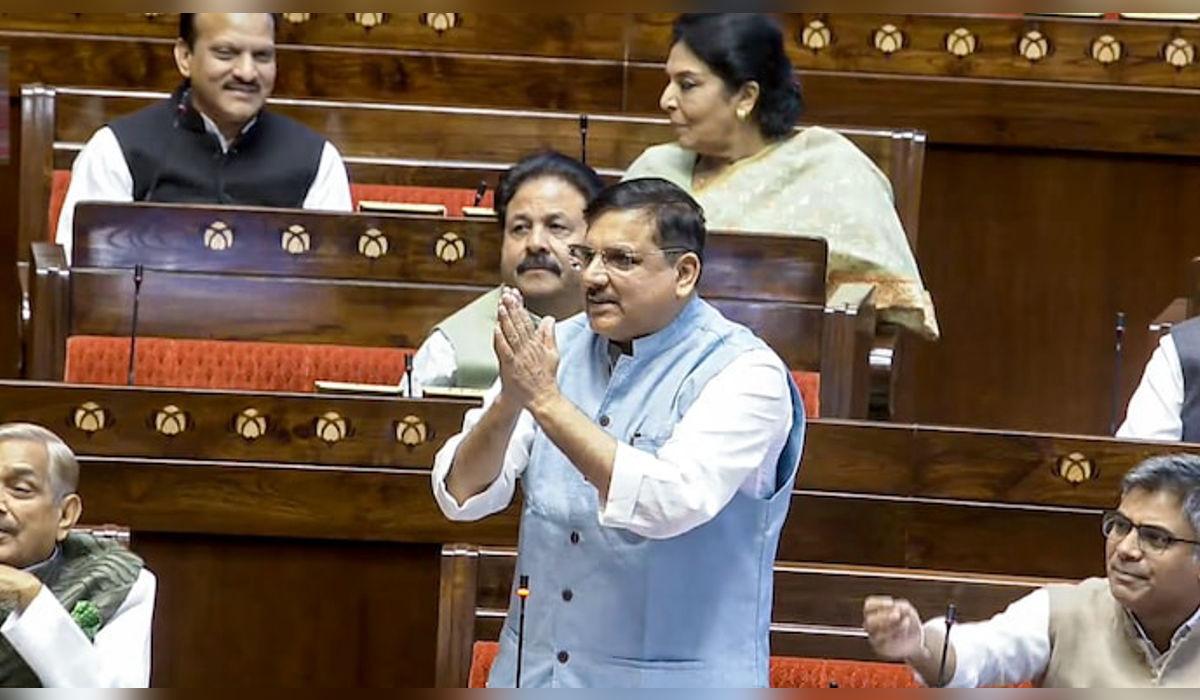
Rajya Sabha MP Sanjay Singh criticised the legislation during the debate, stating that the amendments do not adequately address the challenges faced by the transgender community and instead weaken protections.
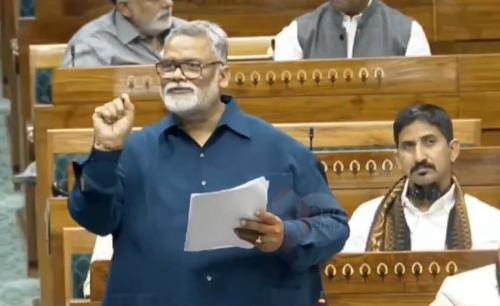
Another AAP MP, Sandeep Pathak, took a strong stand in the House, saying that the party will continue to raise its voice in support of transgender rights. He emphasised that equality, dignity, and respect are fundamental rights for every citizen in India.
In a sharp remark aimed at the government, Pathak questioned whether the new provisions would force transgender individuals to undergo unnecessary verification processes. He asked if the intent was to make them “stand in queues to prove their identity,” calling such measures humiliating.
AAP has demanded that the bill be referred to a select committee for detailed review and wider consultation, particularly involving members of the transgender community.
Despite the opposition, the bill has already been passed by Parliament, with the Rajya Sabha giving its approval after it cleared the Lok Sabha a day earlier.
The amendment introduces changes to the existing law, including redefining certain aspects and removing social orientation from its ambit. It also proposes graded punishment depending on the severity of offences committed against transgender persons.
The government has maintained that the changes are aimed at strengthening legal safeguards, but critics argue that the amendments could dilute key protections and create new challenges for the community.
The issue has now sparked a broader debate across political and social circles, with activists and opposition leaders questioning whether the new law truly reflects the needs and rights of transgender individuals.
As the controversy grows, the focus is likely to remain on how the law will be implemented and whether further changes will be considered in response to rising criticism.