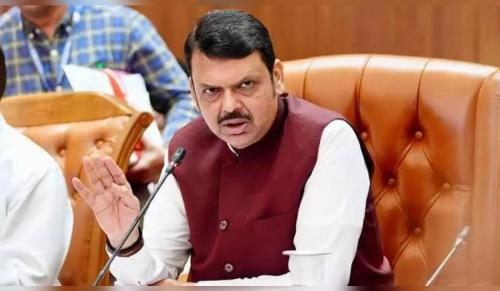
Maharashtra Chief Minister Devendra Fadnavis has weighed in on the surprising remarks made by Nationalist Congress Party (NCP) chief Sharad Pawar, who recently praised the Rashtriya Swayamsevak Sangh (RSS) for its role in the BJP's victory in Maharashtra's Assembly elections.
Speaking at an award ceremony in Nagpur, Fadnavis expressed that the political dynamics of the state are ever-changing, stating, "In politics, anything can happen." He further commented on Pawar's unexpected acknowledgment of the RSS, attributing it to the RSS Vichar Pariwar's significant contribution in countering the "false narrative" that had been created by the opposition Maha Vikas Aghadi (MVA) during the 2019 Lok Sabha elections.
"The RSS Vichar Pariwar played a crucial role in organizing national forces to unite against what we call the 'anarchist forces,'" Fadnavis explained. "This collaboration helped break the false narrative created by MVA during the Lok Sabha elections, which ultimately impacted the Maharashtra Assembly elections in a different way."
The Chief Minister elaborated on the impact of the narrative propagated by the MVA during the Lok Sabha polls, which he claims had led to overconfidence within the opposition camp. According to Fadnavis, this misplaced confidence contributed to their failure to anticipate the shift in public sentiment.
He continued, "In the Lok Sabha elections, we, including myself, were overconfident. We thought we were winning and underestimated the effect of opposition strategies like 'vote jihad' and the divisive rhetoric about changing the Constitution. Unfortunately, we saw the impact of this narrative in the Lok Sabha results."
Fadnavis credited the RSS for helping to dispel these misleading stories and for uniting national forces to stand firm against the forces of anarchy, ultimately leading to the BJP's success in the subsequent Maharashtra Assembly elections.
His comments come at a time when the political landscape in Maharashtra continues to shift, with unexpected alliances and rivalries constantly reshaping the state's political future.