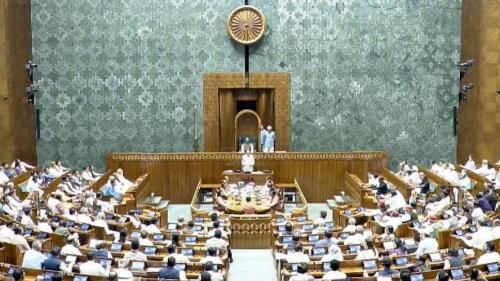
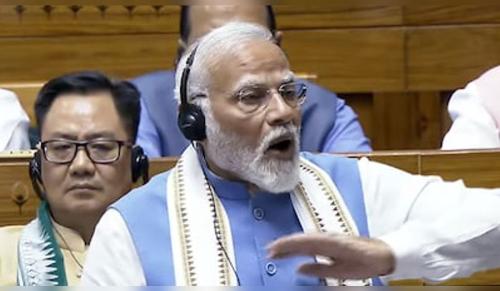
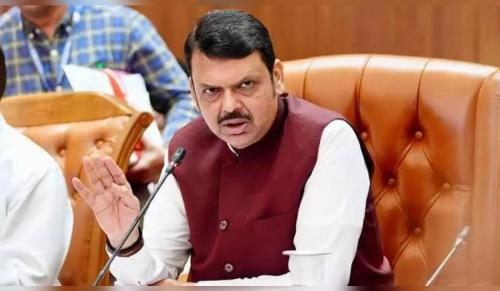
In a tense exchange in the Lok Sabha today, Samajwadi Party chief Akhilesh Yadav accused the government of undermining the rights of Lok Sabha Speaker Om Birla, prompting a strong rebuttal from Union Home Minister Amit Shah.
While participating in the debate on the Waqf (Amendment) Bill, Yadav voiced concerns about the perceived erosion of the Speaker?s authority. "Your rights and our rights are being curtailed. I had told you that you are the judge of democracy. I have heard that some of your rights are being snatched and we would have to fight for you," Yadav stated.
Home Minister Amit Shah quickly countered Yadav?s remarks, denouncing them as an insult to the Speaker?s position. "This is an insult to the Chair. The rights of the Speaker do not belong to the Opposition, but to the whole House. Don't speak in a roundabout way. You are not the protector of the Speaker's rights," Shah retorted.
In response, Speaker Om Birla emphasized the importance of respecting the Chair. "This is my expectation, no personal remarks should be made on the Chair," Birla told Yadav and other members.
The debate on the Waqf (Amendment) Bill, 2024, has sparked significant controversy. Yadav argued that the bill is politically motivated, suggesting it was introduced to appease hardline supporters following setbacks in the Lok Sabha elections. He questioned the rationale behind including non-Muslims in Waqf bodies, asserting, "When there is a democratic process for election, why nominate people? No person from outside the community is part of other religious bodies. What is the point of including non-Muslims in Waqf bodies?"
The proposed legislation seeks to amend 44 sections of the 1995 Waqf Act, aiming to address issues related to the powers of State Waqf Boards, the registration and survey of Waqf properties, and the removal of encroachments. Key provisions include the requirement for the Central Waqf Council and state Waqf Boards to include two women members, stipulations for the use of Waqf Board funds for the welfare of widows, divorcees, and orphans, and measures to protect women's inheritance rights. The controversial proposal to include non-Muslim members in Waqf bodies has been a major point of contention.
Opposition parties have rallied against the bill, arguing that it undermines the integrity of the Waqf management system and reflects a broader pattern of political maneuvering. The debate highlights ongoing tensions within the legislature over religious representation and governance.