India’s powerful retaliatory strikes under Operation Sindoor reverberated far beyond the border — paralyzing air traffic across northern and western parts of the country. More than 200 flights were cancelled and at least 18 airports, including key hubs like Srinagar, Leh, Amritsar, and Chandigarh, were shut down temporarily following precision strikes by the Indian Armed Forces on terror bases in Pakistan and Pakistan-Occupied Kashmir (PoK).
The military action, which came in response to the recent Pahalgam terror attack, targeted nine high-value terrorist sites including the Jaish-e-Mohammad camp in Bahawalpur and Lashkar-e-Taiba’s command center in Muridke. In the wake of these strikes, security agencies immediately activated no-fly zones and enhanced surveillance, resulting in widespread disruption of commercial aviation.
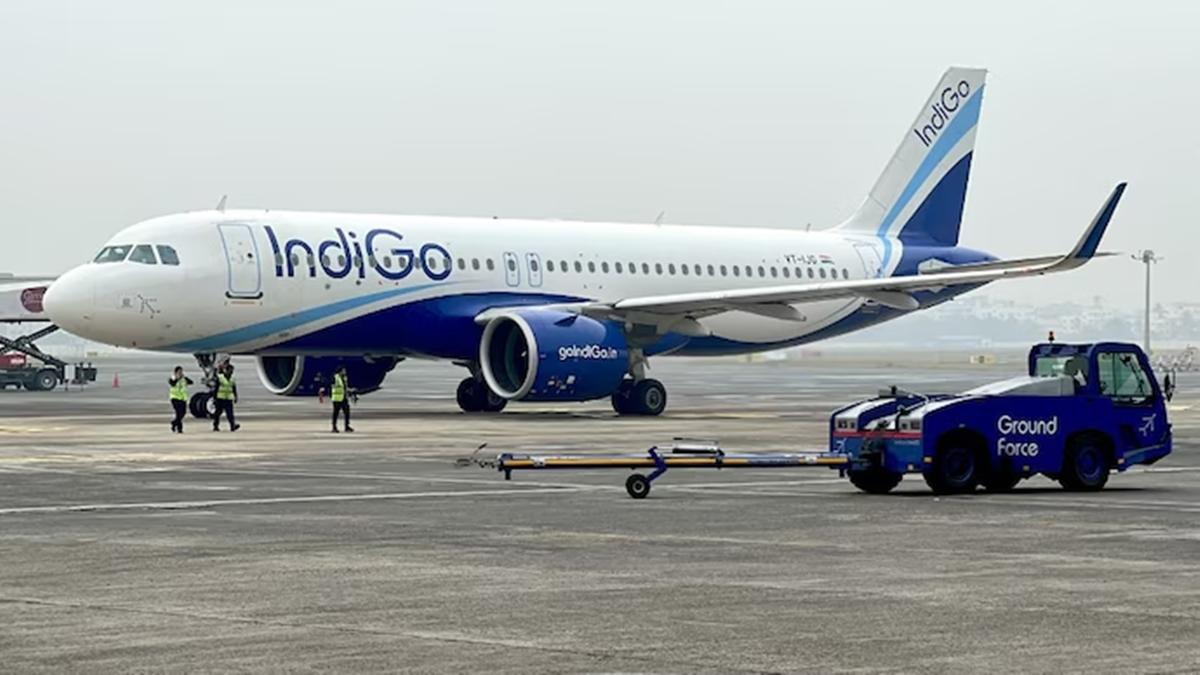
Major carriers including IndiGo, Air India, SpiceJet, Akasa Air, and several international airlines halted operations to and from high-risk zones. IndiGo was hit hardest, cancelling nearly 165 flights across its domestic network. Air India grounded all flights connecting Srinagar, Jammu, Leh, Jodhpur, Amritsar, and other key cities until May 10 morning, citing security directives.
In Delhi, the country’s busiest airport, 35 flights were disrupted — including 23 domestic departures and 4 international routes. Foreign airlines such as American Airlines and Qatar Airways also suspended services, the latter due to Pakistan’s temporary airspace closure.
Airlines have issued full refunds or free rescheduling options for affected passengers. SpiceJet, Air India Express, and Akasa Air announced immediate suspension of services to several northern cities, with no timeline yet for resumption.
Even airports in non-border cities felt the ripple effect. Bengaluru’s Kempegowda International Airport issued an advisory to travelers, warning of delays and urging flyers to verify their flight status before arriving.