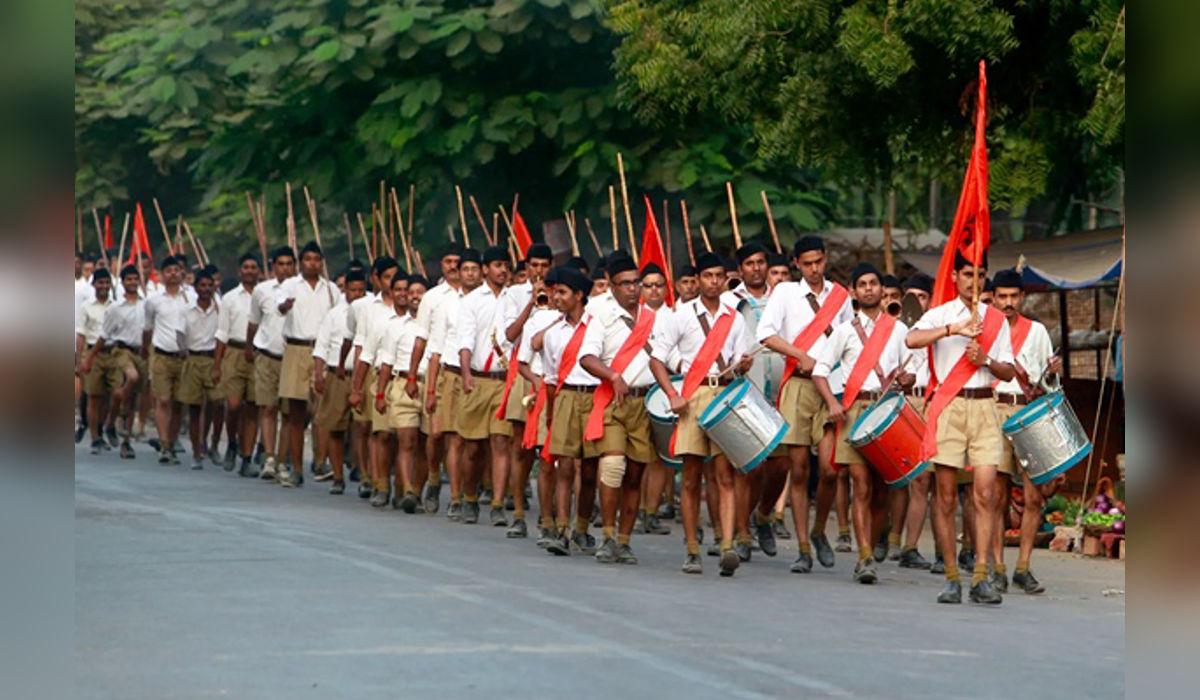
India has strongly rejected the 2026 annual report by the United States Commission on International Religious Freedom, escalating tensions after the panel recommended targeted sanctions against the Rashtriya Swayamsevak Sangh and Research and Analysis Wing.
The Ministry of External Affairs (MEA) issued a sharp response, with spokesperson Randhir Jaiswal calling the report “motivated” and “biased,” and accusing the commission of repeatedly presenting a distorted image of the country.
“We have taken note of the latest report of the USCIRF. We categorically reject its motivated and biased characterization of India. For several years now, USCIRF has persisted in presenting a distorted and selective picture of India, relying on questionable sources and ideological narratives rather than objective facts. Such repeated misrepresentations only undermine the credibility of the Commission itself,” Jaiswal said.
The USCIRF report had designated India as a “country of particular concern,” alleging a continued deterioration in religious freedom. It accused the Indian government of targeting religious minorities and places of worship, while also urging the United States to link trade ties and arms sales with human rights conditions.
The report further claimed that several Indian states have strengthened anti-conversion laws with harsher penalties and alleged that authorities were involved in detentions and expulsions of citizens and refugees. It also accused the government of tolerating vigilante attacks on minority communities.
Additionally, the commission criticised laws such as the Waqf (Amendment) Act and the Uttarakhand State Authority for Minority Education Act, and blamed groups like the Vishwa Hindu Parishad for communal tensions in multiple states including Maharashtra, Odisha and Uttar Pradesh.
In a significant escalation, USCIRF recommended that Washington invoke provisions of the Arms Export Control Act to halt arms sales to India, citing alleged harassment of minorities and even US citizens.
Responding to these suggestions, the MEA hit back by advising the commission to focus on internal issues within the United States instead of “selective criticism” of India. Jaiswal pointed to incidents of vandalism of Hindu temples and alleged rising intolerance against the Indian diaspora in the US.
“Instead of persisting with selective criticism of India, USCIRF would do well to reflect on disturbing incidents of attacks on Hindu temples in the United States and growing intimidation of the Indian diaspora,” he said.
This is not the first time India has dismissed USCIRF’s findings. New Delhi has consistently rejected its reports in the past, even denying visas to its teams and opposing its stance on key issues such as the Citizenship (Amendment) Act of 2019.
The latest row reflects a continuing pattern of disagreement between India and the commission, with the government maintaining that such reports are driven by a deliberate agenda to misrepresent isolated incidents. Officials have repeatedly emphasised India’s pluralistic society and democratic values, asserting that attempts to undermine its global image will not succeed.